San Francisco
Victorian wooden houses, strict rent control and the steepest hills in urban America.
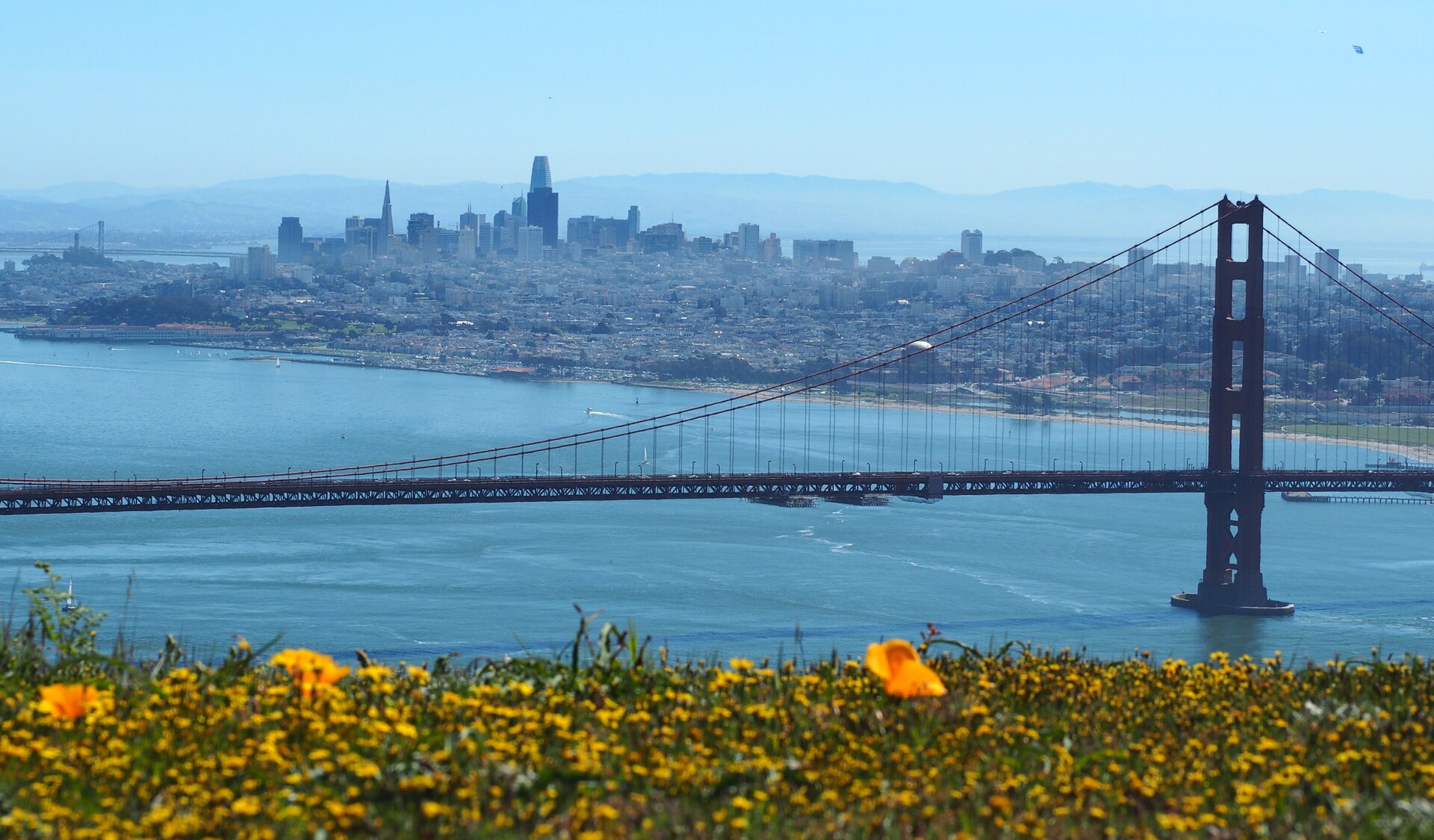
San Francisco fits a major city into 47 square miles. The housing stock is older and more wooden than people expect, the tenant protections are among the strongest in the country, and the microclimate can change twice on a single walk home.
- Buildings indexed
- 10,065
- Rent control cutoff
- June 1979
City area: 47 sq mi
One of the densest cities in the United States
Rent control cutoff: June 1979
Most multi-unit buildings completed before it are covered
Great Earthquake: 1906
Rebuilding set the Edwardian character of whole districts
Transit: Muni and BART
Plus the cable cars, in service since 1873
History and architecture
The 1906 earthquake and fire destroyed much of the city, and the rebuilding that followed gave entire districts their Edwardian character. West of Van Ness, blocks of Victorian houses survived, which is why the Painted Ladies and the bay-window rows of the Mission and the Haight are still standing.
Wood frame construction dominates. That keeps buildings light on their foundations, which matters in an earthquake zone, but it also means sound travels between flats and soft-storey garages under apartments had to be retrofitted by city order.
Victorian, before 1906
Bay windows, ornate trim, wooden frame, usually two to four flats.
Edwardian, 1906 to 1915
Plainer facades from the rebuilding years, still wood frame.
Post-1979
Outside rent control, usually newer systems and higher asking rents.
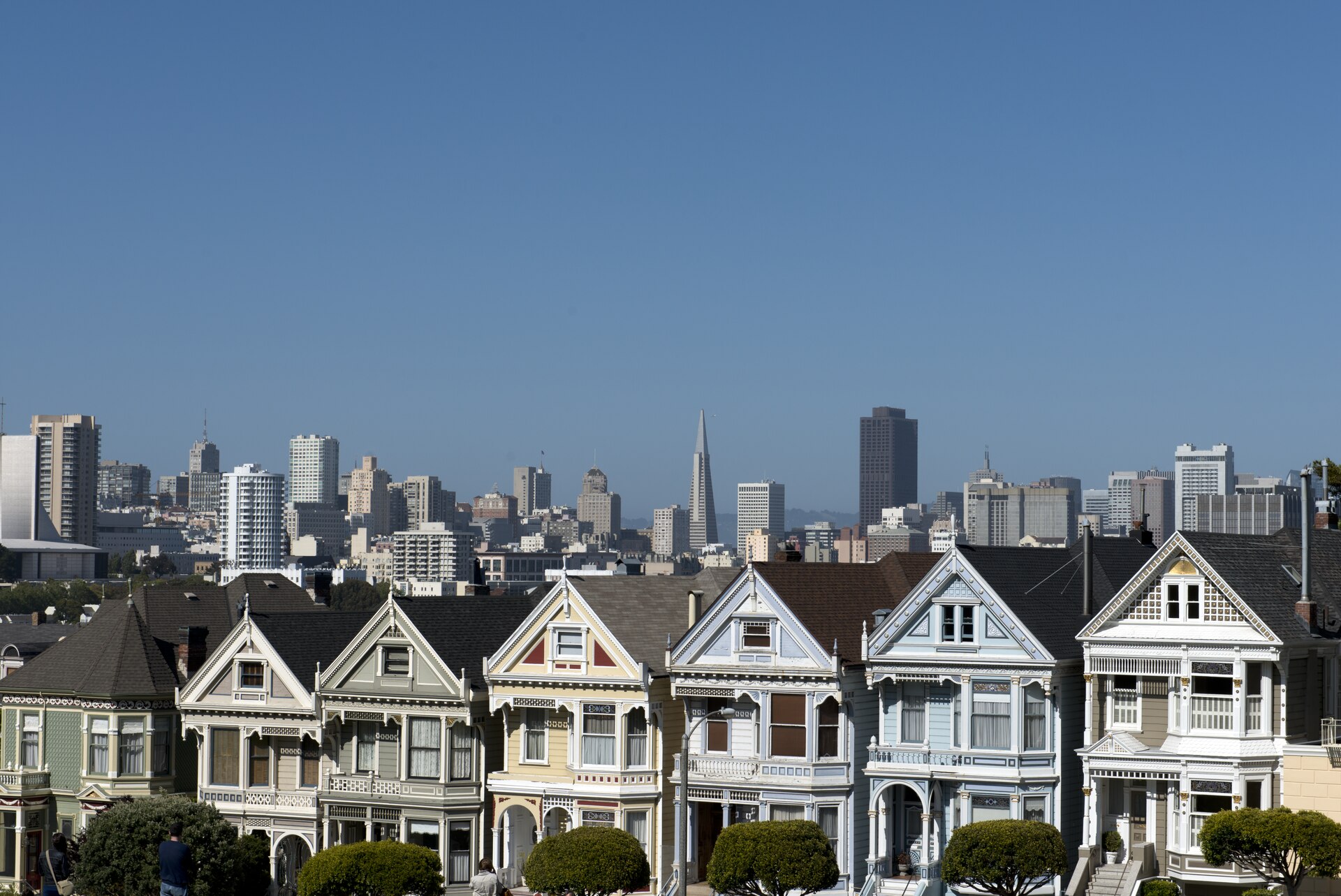
The Painted Ladies on Steiner Street. Victorian and Edwardian wooden houses like these make up a large share of the city's rental stock.
Photo: Carol M. Highsmith, Library of Congress · Public domainLiving here as a renter
San Francisco rent control covers most multi-unit buildings finished before June 1979, limiting annual increases and requiring just cause for eviction. Buildings completed after that date are exempt, so the construction year on the public record changes your rights, not just your rent.
Soft-storey retrofit status, hill grade and fog line are the three local details worth checking before signing. A block in the Sunset and a block in the Mission can differ by ten degrees on the same afternoon.
Getting around
Muni buses and light rail cover the city, BART links it to Oakland, Berkeley and the airport, and Caltrain runs down the Peninsula toward Silicon Valley. The cable cars have been running since 1873 and are still part of the transit network, not only a tourist ride.
Hills decide walkability here in a way flat cities never have to think about. A station 800 metres away can be a different journey entirely depending on the grade in between.
Economy and who lives where
Technology dominates employment, concentrated in SoMa, Mission Bay and down the Peninsula, with health care and tourism close behind. The commute pattern is unusual: a large share of residents work outside the city and travel south by train or shuttle.
That pulls demand toward the eastern neighborhoods near the freeway and train lines, while the Sunset, Richmond and Excelsior stay more residential and more family oriented.
Questions people ask about San Francisco
Is my San Francisco apartment rent controlled?
Most multi-unit buildings completed before June 1979 fall under city rent control, which caps annual increases and requires just cause for eviction. Buildings finished after that date are exempt.
What is a soft-storey building?
A wood-frame building with a weak ground floor, usually a garage or shopfront, under apartments. The city required these to be seismically retrofitted, and the retrofit status is a public record.
Search a street in San Francisco
Type a street name to see every number on it and the records for each address.
Photographs, plans and maps on this page come from public archives and are credited to their authors under the licence shown with each image. Figures are taken from public records and from our own building index, and no image on this page is generated.